An apology for absence, some personal news, and the guests coming in the next few months.
This podcast is licensed under a Creative Commons Attribution-ShareAlike 4.0 International License
The Endless Knot
We discuss etymology, history, literature, science, and language, and the connections between them.
An apology for absence, some personal news, and the guests coming in the next few months.
This podcast is licensed under a Creative Commons Attribution-ShareAlike 4.0 International License
Grace Tierney is back with another great book about the word origins, this time “Words Christmas Gave Us"! She regales us with festive stories and we talk about some of the fun traditions and treats of the winter holidays.
It’s been a long, unintended break since our last episode, but we’re happy to be back at it, in time to wish everyone very happy holidays!
This podcast is licensed under a Creative Commons Attribution-ShareAlike 4.0 International License

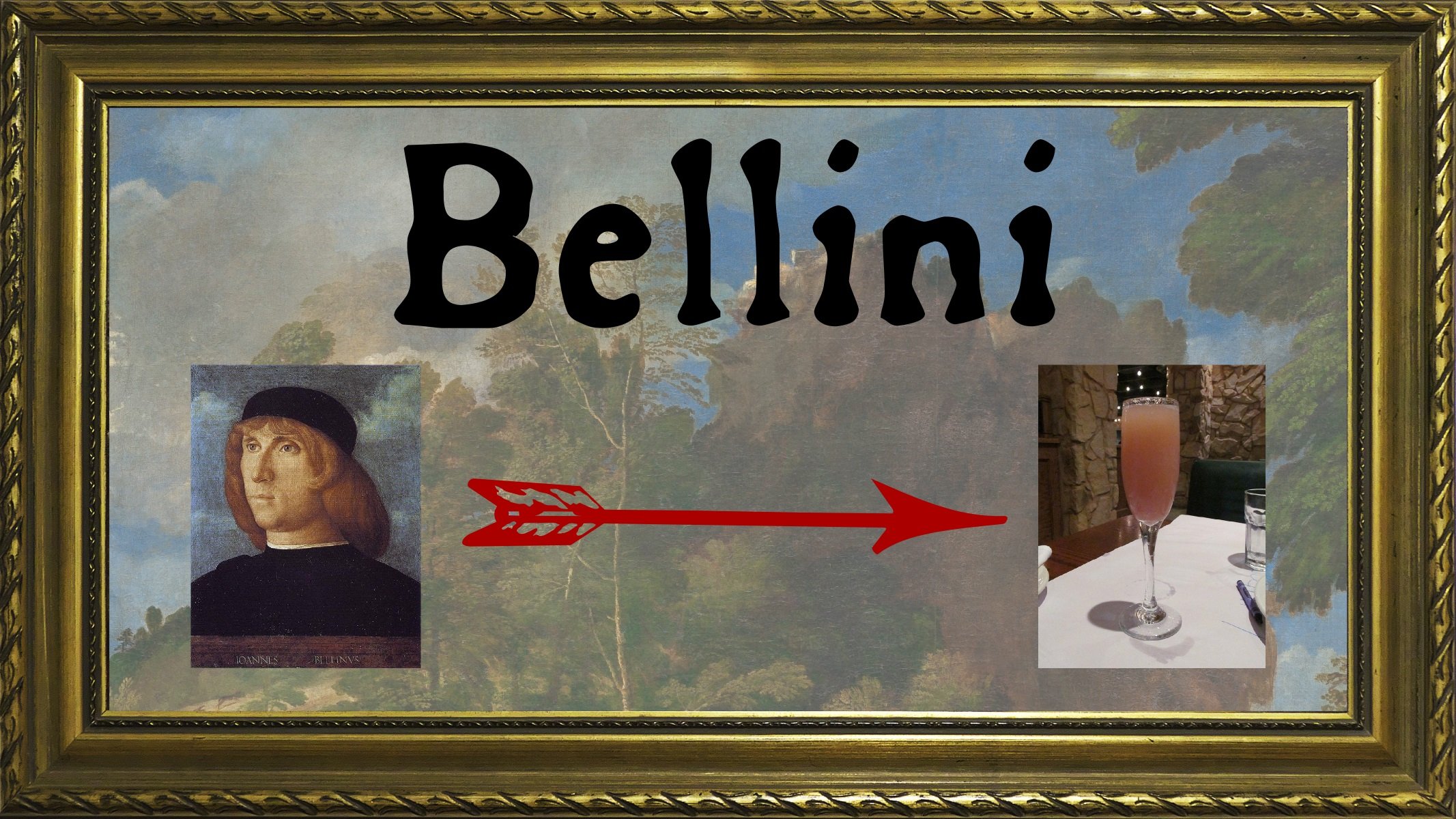
As we get ready to mark the new year, it seems a good time to talk about a classic cocktail made with sparkling wine: the Bellini. Our conversation takes us to Italy, in the 20th century, the 15th century, and the 1st century BCE, to Renaissance art and the Roman practice of patronage, and more. Happy New Year!
This podcast is licensed under a Creative Commons Attribution-ShareAlike 4.0 International License

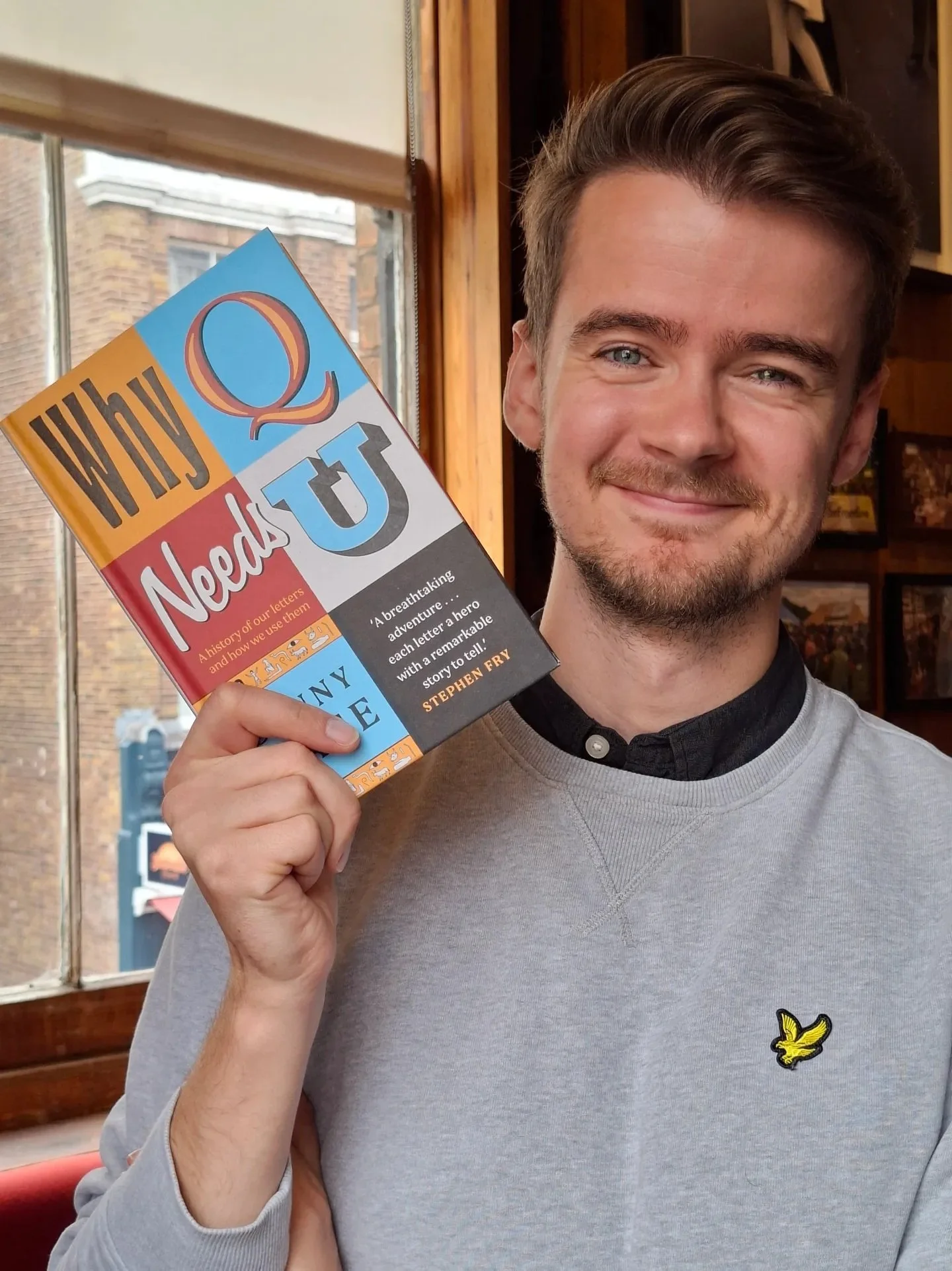
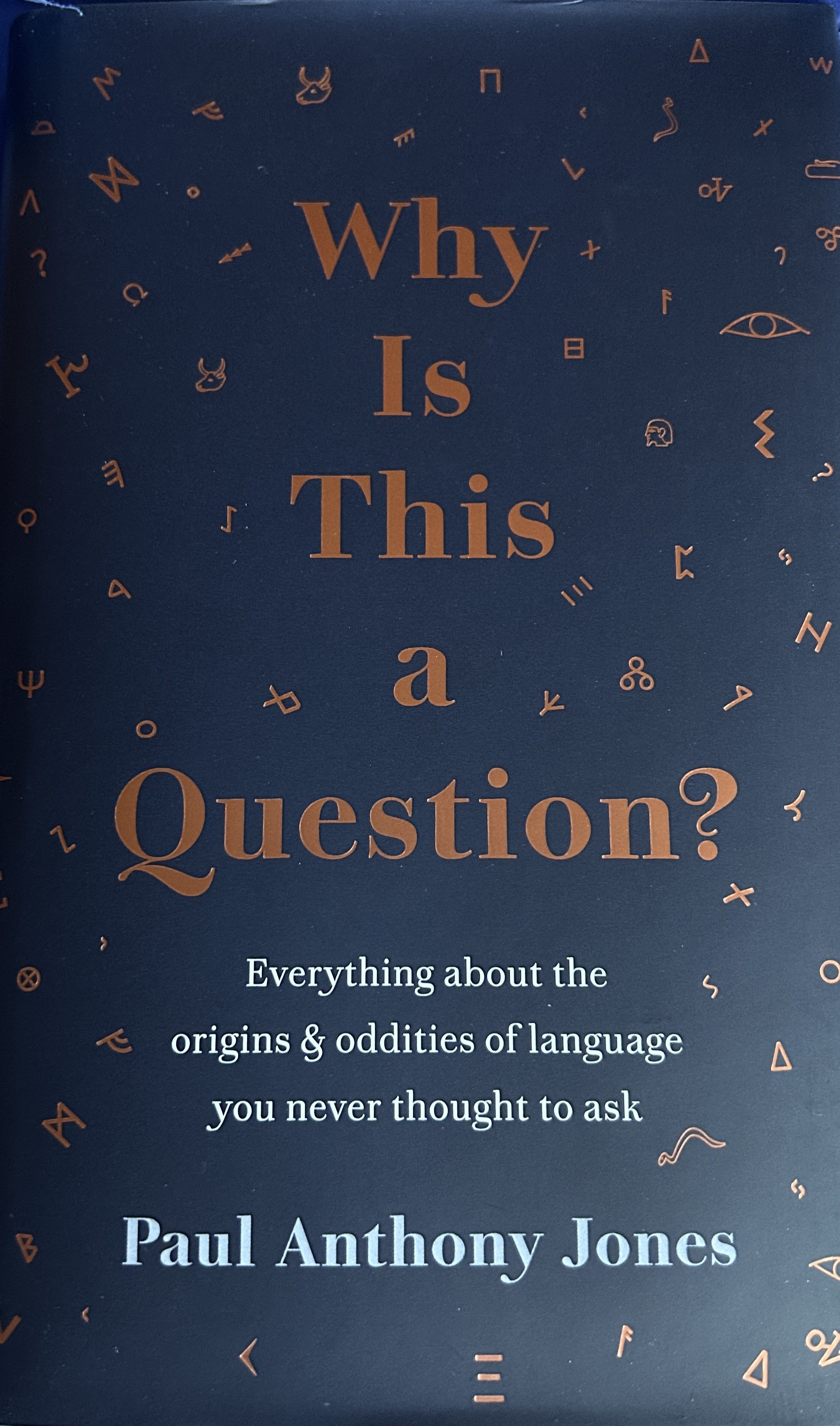
We welcome back Paul Anthony Jones, of Haggard Hawks fame, to ell us about his new book “Why Is This a Question?”. We talk about how his experience of social media has changed since we last interviewed him in 2016, what it was like researching a book covering such wide-ranging topics, the state of the publishing industry, and more.
Our previous interview with Paul (episode 21)
Citogenesis (the Wikipedia citation problem) coined in xkcd comic
This podcast is licensed under a Creative Commons Attribution-ShareAlike 4.0 International License
It’s time for some Old Norse, sagas, and daring Viking explorers! In this episode we talk to author Grace Tierney about her newest book, Words the Vikings Gave Us. We had a ton of fun in this conversation, and we’re sure you will too!
Grace Tierney’s blog, Wordfoolery
Our video on Runes, and NativLang’s matching video
This podcast is licensed under a Creative Commons Attribution-ShareAlike 4.0 International License
Happy Saint Patrick’s Day! In this episode we talk about the saint’s history, then dig into the potato — its etymology, its history, and how it’s changed the world. With some tangents about batteries, famines, and travel in the Roman world.
Article about Irish Famine Relief by the Choctaw Nation
This podcast is licensed under a Creative Commons Attribution-ShareAlike 4.0 International License
This year for April Fool's Day we're taking part in a podcast switcheroo where podcasters are trading episodes to introduce their audiences to other podcasts they think you might enjoy. So we're having the great folks from Bunny Trails, Shauna and Dan, showcase one of their episodes, about the phrase “Queen Bee”.
Shownotes for this episode (including transcript)
This podcast is licensed under a Creative Commons Attribution-ShareAlike 4.0 International License
It’s election night 2020 in the US, and our video from 4 years ago about the language of politics is relevant once again. We discuss the changing vocabulary of democracy and what it can tell us about shifting attitudes towards popular rule and politicians. It may not be a complete break from political coverage, but at least it’s mostly about the distant past, not the uncertain future!
Mashed Radish blog post on Candidate
Mashed Radish blog post on Poll
This podcast is licensed under a Creative Commons Attribution-ShareAlike 4.0 International License
In this episode we go from the origin of the world to the many uses of olive oil, with discussions of Roman mosaics, and trademark law along the way. This is the third of our episodes on Intellectual Property, following Episode 42: Bugging Out! on patents and Episode 57: Freebooting, Piracy, & Copyright on copyright. Also, it’s the start of Season 6, and we want to thank everyone who’s joined us over the last 5 years. It’s been a blast, and here’s to another half decade!
“The asàrotos òikos mosaic as an elite status symbol” by Ehud Fathy
Ancient History Encyclopedia — the olive
Oxford Dictionaries blog post on “gasoline”
Hesiod, Theogony
This podcast is licensed under a Creative Commons Attribution-ShareAlike 4.0 International License
photo credit: Flickr user get directly down
We trace the etymologies and development of the words “sex” and “gender”, as well as words for women and men in Greek, Latin, and English, touching on Roman, Greek, and medieval English ideas about gender. Then we discuss the grammatical term “gender” and how it differs across languages around the world.
This podcast is licensed under a Creative Commons Attribution-ShareAlike 4.0 International License
Happy Halloween! This year we’re talking about the etymology and origins of “Magic”, the differences between religion and magic, Greek and Roman spells and curses, and some rather bizarre tales about Virgil & Aristotle.
Cocktail: Black Magic
Religion in the Roman Empire, James B Rives, 2007
Arcana Mundi,Georg Luck, 2006
This podcast is licensed under a Creative Commons Attribution-ShareAlike 4.0 International License
The Fates have decreed that it’s time for us to talk about the word “Weird”! We discuss its etymology, the concept of fate in the ancient and medieval world, whether mythical women really do usually appear in threes, and Shakespeare.
Twist of Fate cocktail
Weird Sisters Blood & Hand Punch
“Does English have a future tense?” video
“As We Like It Podcast” – Macbeth episode
Chart of ‘strange’ vs ‘weird’ usage
Chart of ‘weird’, ‘uncanny’, ‘eerie’, & ‘unearthly’
More information about the Moirai
Hesiod passage about the Fates
Theoi site for Greek mythology
Articles about WEIRD linguistics and WEIRD psychology
Professor Elemental “Everybody’s Weird”
This podcast is licensed under a Creative Commons Attribution-ShareAlike 4.0 International License
Happy (?) April Fool’s Day! We talk about the origins of the holiday, its connections to the Tom Collins cocktail, and hoaxes throughout history, from Athenian tyrants to the ‘Scratching Fanny’ ghost to the Da Vinci Code.
Hogarth’s Cunicularii or The Wise Men of Godliman in Consultation
We talk about names for countries — endonyms and exonyms — and the trade goods named after the places they come from, in a discussion that ranges from Japanese guns to the connection between Wales and roosters to the colour of the phoenix, and much more. If you can make it to the end of the podcast, you’ll never look at porcelain the same way again!
Jabzy’s Japan videos: Europeans in Japan and Guns in Japan
Cynical Historian’s video on gun history
Eidolon article about cooking sows’ vulvae (I’m afraid I said “vagina” not “vulvae” in the podcast, mea maxima culpa!)
Schork, R. J. “Egyptian Etymology in Vergil.” Latomus, vol. 57, no. 4, 1998, pp. 828–831. JSTOR
This podcast episode on YouTube
This podcast is licensed under a Creative Commons Attribution-ShareAlike 4.0 International License
Time for a holiday episode! This time we’re talking about how Santa’s reindeer got their names, including some of their classical ties to Roman religion and Greek myth, the Reindeer Rule in US law, and NORAD’s Santa Tracker. And we have a quiz about the animals that bring the winter gift giver around the world!
Our video “Who are Santa’s reindeer?”
Episode 25: The 12 Days of Christmas
The two versions of Eros: Protogenos & Ouranios
This podcast episode on YouTube
This podcast is licensed under a Creative Commons Attribution-ShareAlike 4.0 International License
From modern words for ghost, to Latin and Greek terms for spirits, to ghost words that haunt dictionaries, we explore some spooky etymologies and tell some ancient ghost stories.
Pliny’s letter 7.27 in English
VIdeo of a performance of the Latin version of Pliny’s ghost story
List of ancient ghost stories sourced from Twitter
This podcast episode on YouTube
This podcast is licensed under a Creative Commons Attribution-ShareAlike 4.0 International License
In this episode we talk about the history of education in Europe, from classical Greece to the 19th century, covering the origins of many education-related words. Then we turn to the history of second-language teaching of Latin, from Roman Egypt to today’s Living Latin movement.
DSM (channel about language and etymology)
Learning Latin and Greek from Antiquity to Present, chapters on teaching Latin to Greek speakers (Dickey) & Latin in Anglo-Saxon England (Fisher)
“Medieval and Modern Views of Universal Grammar and the Nature of Second Language Learning” by Margaret Thomas
“Inside the Anglo-Saxon Classroom“ by Kate Wiles
“Grasping Sentences by Wholes: Henry Sweet’s Idea of Language Study in the Early Middle Ages” by Mark Atherton
Learn Latin from the Romans: A Complete Introductory Course Using Textbooks from the Roman Empire by Eleanor Dickey
Learning Latin the Ancient Way by Eleanor Dickey
“The MovieTalk: A Practical Application of Comprehensible Input Theory” by Rachel Ash
This podcast episode on YouTube
This podcast is licensed under a Creative Commons Attribution-ShareAlike 4.0 International License
The etymology of 'sublime' takes us through a discussion of the Gothic, Neo-Classical, and Romantic periods, the origins of the Romance languages, the roots of romantic love, and more.
Mats Malm “On the Technique of the Sublime”, Comparative Literature, Vol. 52, No. 1 (Winter, 2000), pp. 1-10.
Sarah Bond on Polychromy in Ancient Statues
Alex Potts, Flesh and the Ideal: Winckelmann and the Origins of Art History
This podcast episode on YouTube
This podcast is licensed under a Creative Commons Attribution-ShareAlike 4.0 International License
We sail the high seas and surf the interwebs for this episode all about the etymology of pirate-related words and the coinage of a new term for stealing videos. We also cover the development of copyright law, the reasons pirates say "Arrrr!", and what Julius Caesar did to his kidnappers.
The Academic Podcast by Sam McLean
This podcast episode on YouTube
This podcast is licensed under a Creative Commons Attribution-ShareAlike 4.0 International License
This year's holiday podcast looks back at last year's Christmas video, Stocking, and we talk about the Christmas treats our families enjoy, their history, and their etymology. All you could ever want to know about plum pudding and tourtiere, along with the story of St Nick himself. (PS: since the recording, I've seen indications that the 'mincepie ban' by the Puritans may be a myth, but Christmas celebrations in general definitely were banned, and mincepies and plum puddings were strongly associated with observances of the holiday, so were presumably included.)
Gerry Bowler, The World Encyclopedia of Christmas
Bruce David Forbes, Christmas: A Candid History
Desmond Morris, Christmas Watching
Andrea Broomfield, Food and Cooking in Victorian England: A History
Kaufman, Cathy. “The Ideal Christmas Dinner.” Gastronomica, vol. 4, no. 4, 2004, pp. 17–24.
Leach, Helen. “Translating the 18th Century Pudding.” Islands of Inquiry: Colonisation, Seafaring and the Archaeology of Maritime Landscapes, edited by Geoffrey Clark et al., vol. 29, ANU Press, 2008, pp. 381–396.
Canadian Encyclopedia "Tourtière"
Lemasson, Jean-Pierre. "The Long History of the Tourtière of Quebec's Lac-St-Jean", in What's to Eat? Entrees in Canadian Food History, edited by Nathalie Cooke, McGill-Queens UP, 2009.